Expert design judgment. Repeatable by coding agents.
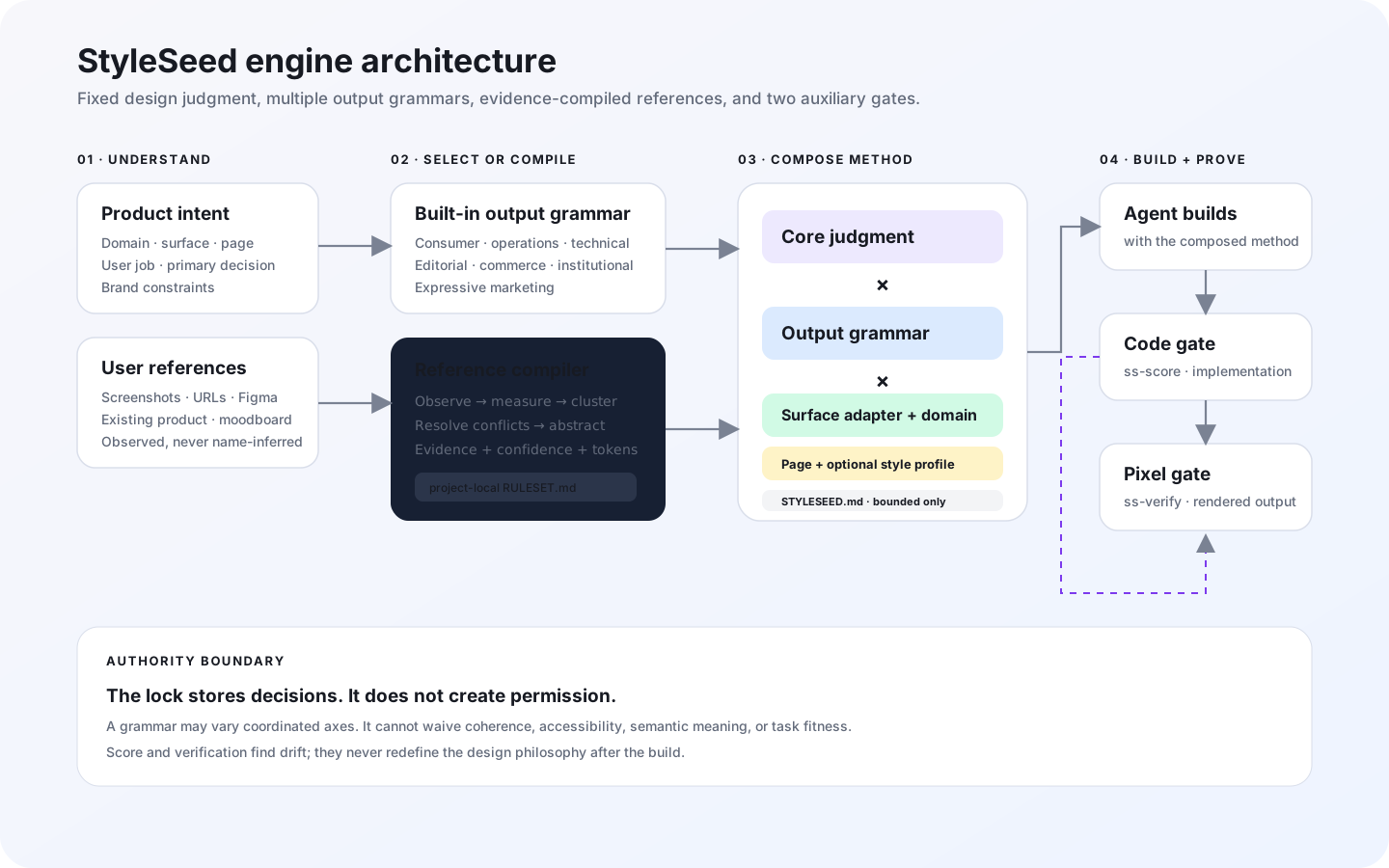
Our goal is to help agents apply expert decisions, not replace experts with a collection of tastes. StyleSeed compiles selected rules, keeps project choices in your repo, and supports code and rendered checks. Quality still needs human review.
Run in your project’s terminal. Copies the StyleSeed skill into this project; skips the selection menus.
Another agent or install options?
For Cursor or another agent, run npx skills add bitjaru/styleseed. Choose your agent, Project, then Copy. Codex is already included under Universal. Use this interactive command to review each installer choice.
Only use one? Codex setup · Claude Code setup. If skills do not appear after installation, start a fresh agent session.
Advanced: use the full one-paste workflow ↓Hide the advanced workflow ↑
Install StyleSeed: `npx -y skills add bitjaru/styleseed -a codex claude-code -y --copy`. Use /styleseed in Claude Code or $styleseed in Codex. Help apply our design decisions, not replace our design system. Inspect approved tokens, components, and choices first; report unsupported choices instead of silently remapping them. Resolve the selected artifact's contract when a registry exists; use STYLESEED.md only for a legacy project. Choose only unresolved grammar, adapter, recipe, and palette inputs. If the direction is open, use ss-studio and require my selection; compile unmodeled references with ss-reference. Build from the resolved contract, score to ≥80, and inspect the rendered result and relevant interactions. Report evidence and unresolved decisions; a score is not my approval.
Use this when you need the full workflow in one portable prompt.
Record the project's design intent and approved choices; identify what still needs a decision.
02
Compile
Turn those choices into a small, exact contract for this artifact — not a giant handbook.
03
Build
Generate against the contract and keep approved decisions in the repo for the next update.
04
Prove
Run code checks, build the product, inspect real pixels, and record what actually passed.
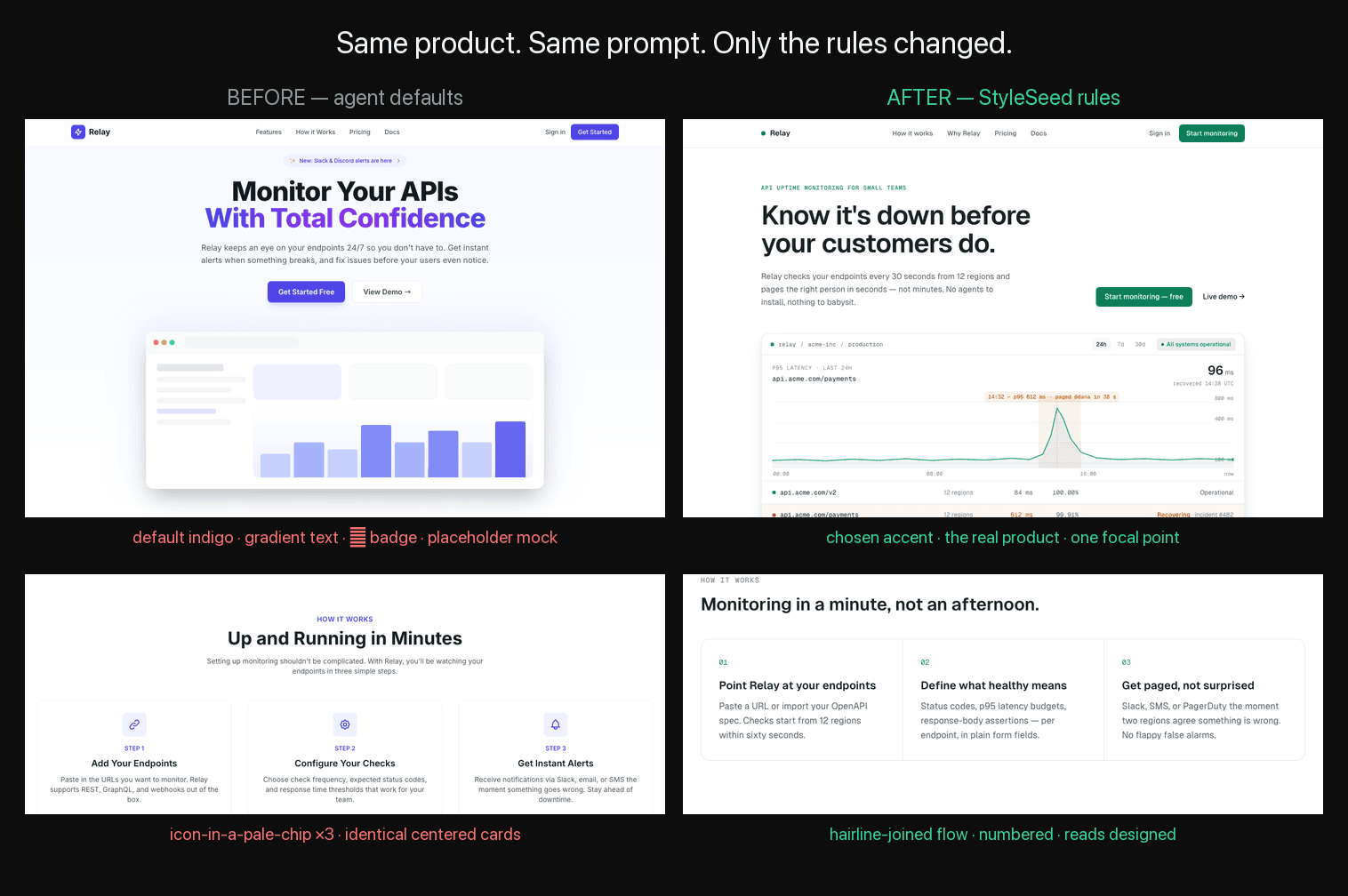
Same product, same prompt — only the rules changed. This page first scored 58/100 on our own gate. See the receipt → The benchmark records a 5.3-point improvement for both Codex and Claude Code. Read BENCH-V1 →
design rules
74
core skill
1
output grammars
8
surface adapters
5
Studio pipeline
Direction, color, motion. One working scene.
Studio turns a brief into three structurally different directions, requires a human selection, then compiles interaction scenes, image and video jobs, and a working prototype before it records the showcase reel.
Eight semantic palette recipes recommend refined canvas, chrome, action, status, focus, and generated-media colors for the product job. Every required pair is contrast-checked; color does not replace the selected design grammar.
A caller-attested accepted correction can now become a privacy-minimized local candidate. Separately, every maintained engine payload carries an exact revision hash, so a same-version rule or skill fix is still detectable without overwriting project code.
Optional extension
Caller-attested local learning
Not included in the core install. Capture only on request, review separately, block known high-risk identity patterns, and keep the result local. This is a guardrail, not an anonymization guarantee; review the exact package before exposure.
The repository includes a repository development Codex package boundary. The implemented default/core install contains neither ss-learn nor a learning MCP. Public installation remains npx skills add bitjaru/styleseed until a plugin-directory release is independently verified.
The core install gives your agent the resolver, builder, score, and visual gate. Approved choices persist in project files instead of disappearing with the chat.
Run in your project’s terminal. Copies the StyleSeed skill into this project; skips the selection menus.
Another agent or install options?
For Cursor or another agent, run npx skills add bitjaru/styleseed. Choose your agent, Project, then Copy. Codex is already included under Universal. Use this interactive command to review each installer choice.
Only use one? Codex setup · Claude Code setup. If skills do not appear after installation, start a fresh agent session.
What the install changes
A repeatable loop, not a one-off style prompt
When invoked, StyleSeed resolves only the rules selected for the artifact, builds against that bundle, records the code and rendered checks that actually ran, and preserves the approved lock for later updates. The core package contains 1 skill; optional local-learning tools are distributed separately.
# Claude Code: /styleseed + your task · Codex: $styleseed + your task
One engine, many looks
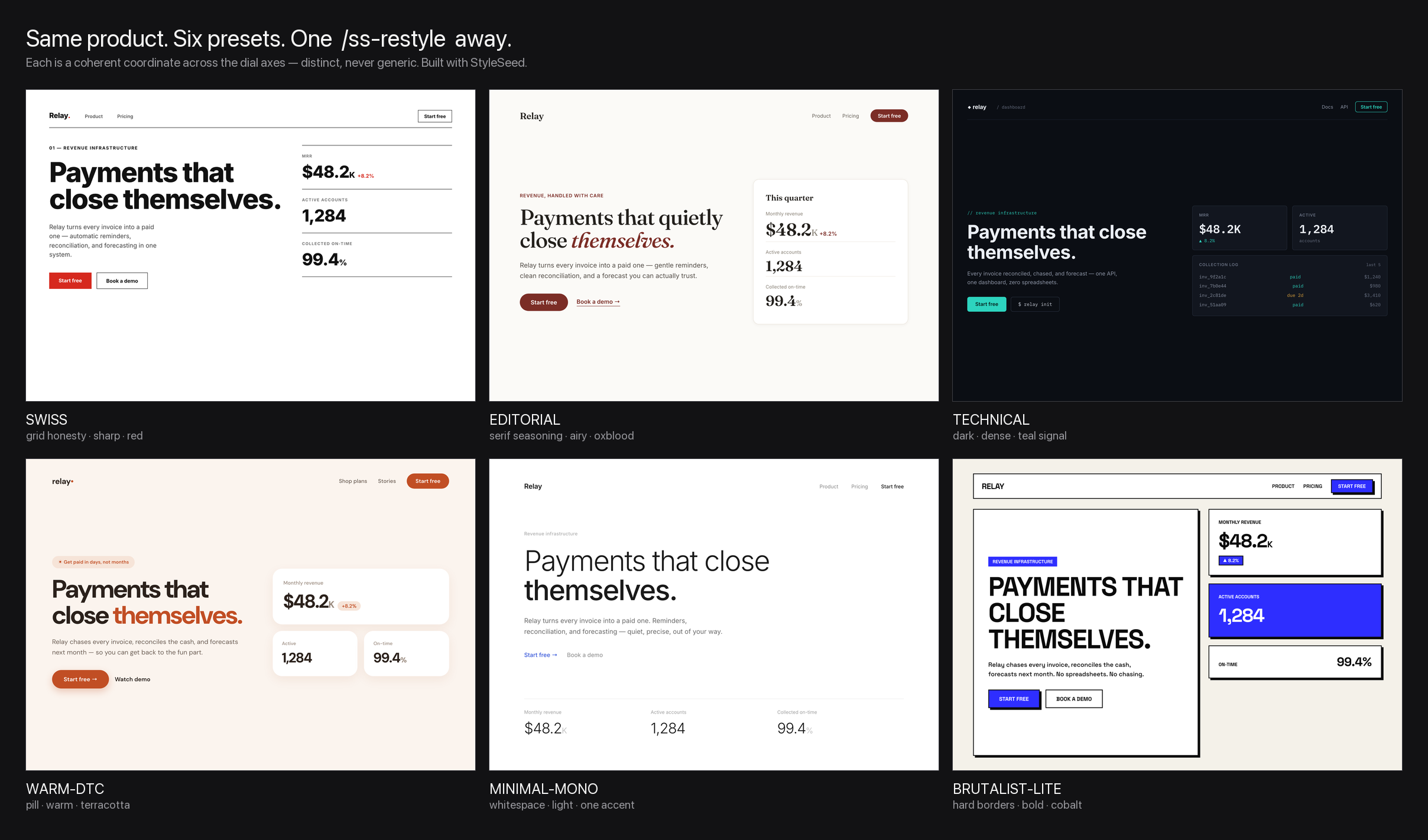
Same product. Six aesthetic profiles. One ss-restyle away.
Profiles coordinate radius, density, color, weight, motion, type, and one signature move. The selected output grammar still owns the product job and composition — a technical profile cannot turn a shop into an observability console. Distinctive isn’t a coat of paint. Each profile is a coherent coordinate across the dial axes — radius, density, color, weight, motion, plus a font and a signature move — so every look reads designed, never generic. Trend gimmicks (glass, neumorphism) are deliberately left out.
Other repos give your AI components. We give it the reasoning.
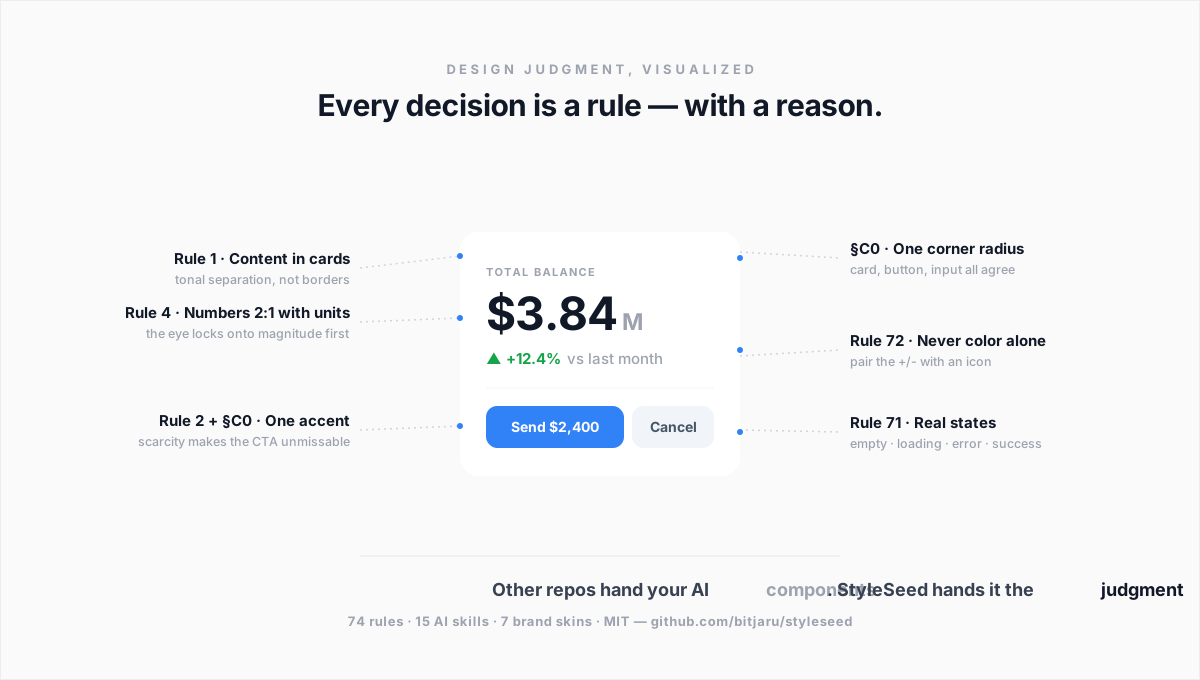
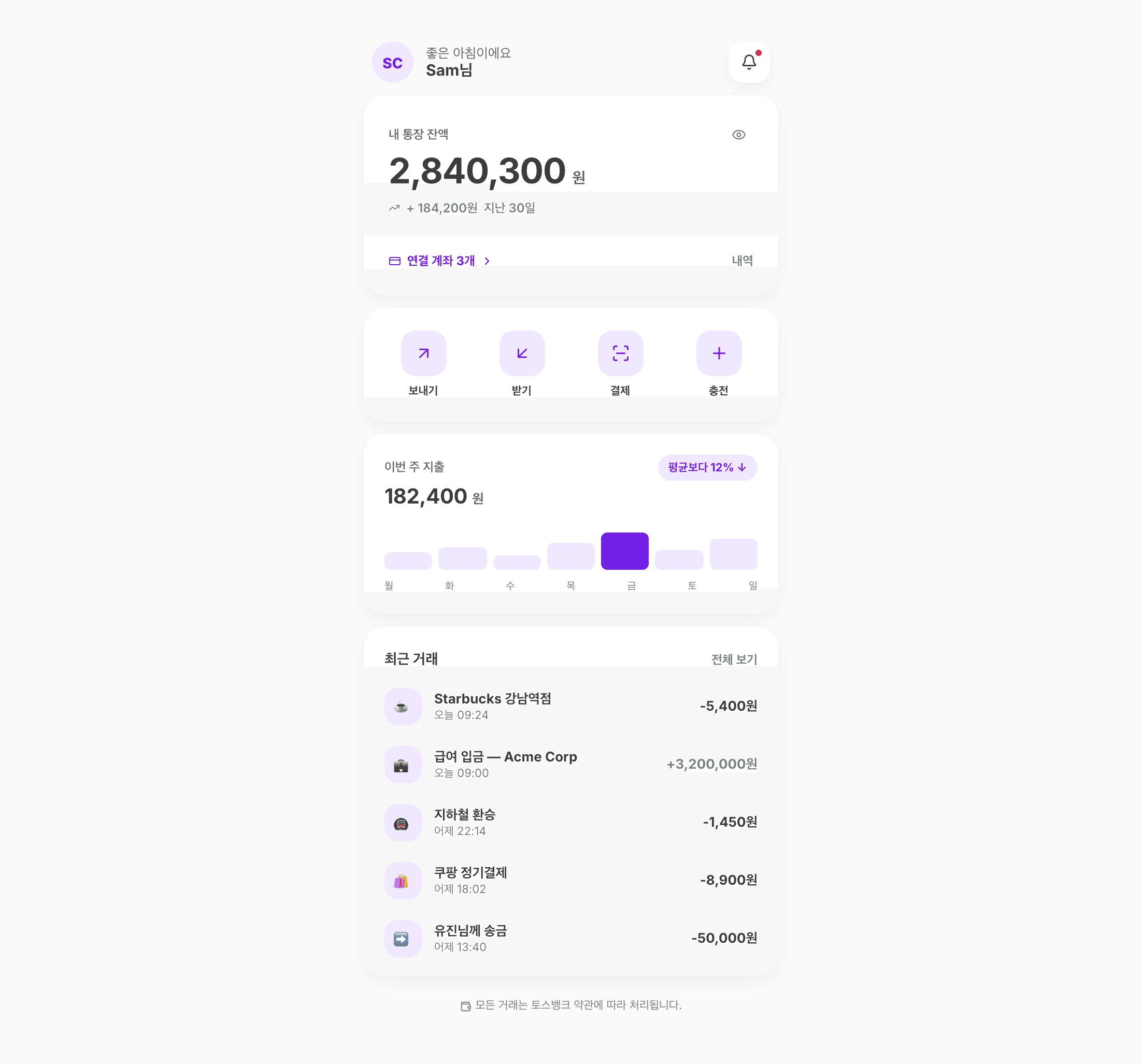
Every decision in a StyleSeed UI has a stated reason — the rule it follows and why that rule makes the result look designed. That’s what an AI can actually read, apply, and repeat. Walk a real screen, decision by decision.
The decision
Example: balance 48px, unit 24px
The rule
Rule 4 · Task-appropriate numeric hierarchy
Why it works
A large balance helps this summary. Tables and comparison panels may use equal sizes.
Other design skills make your UI coherent. StyleSeed also fights the generic-AI look — and enforces it.
Capability
Component kits
DESIGN.md packs
StyleSeed
Teaches judgment
✗
✗
✓ 74 rules — with the reasoning
Fights the AI-look
✗
✗
✓ bans the tells by name
Scored gate ≥80
✗
✗
✓ self-reviews & fixes first
Anti-drift lock
✗
✗
✓ decisions persist across prompts
Works in every agent
✗
✓
✓ Claude Code · Cursor · Codex · Gemini
Price
Paid tiers
Free
Free · MIT
“Why not just use the official frontend-design skill?”
Use both. Anthropic’s official frontend-design skill scaffolds a clean screen fast — it’s a great starting point. StyleSeed is the layer on top: it names and bans the generic-AI tells, scores every screen to a ≥80 gate and fixes it before you see it, and locks your design decisions so they don’t drift across prompts. The official skill is strong at visual direction; StyleSeed carries that judgment across screens, sessions, reference sets, and verification.
Impeccable is a serious execution-layer reference.
Its current public package documents 23 commands, 60 deterministic rules, CLI checks for local files and URLs, JSON output for CI, and hooks for major coding agents.
StyleSeed aims to make expert design judgment repeatable by coding agents, not replace experts. Its current engine compiles bounded artifact contracts, preserves project decisions, and binds recorded evidence to source revisions. Expert-level quality and universal design-system import remain unproven. This is a capability-specific snapshot, not an overall ranking.
Also in the box: 7 brand skins from one data-skin attribute, 5 motion seeds plus 20+ keyword moves, and a drop-in engine/ — no build step, no lock-in. The rules are open: propose new ones via PR. See the before/after →
Showcase
15 examples · 8 grammars · 5 surfaces.
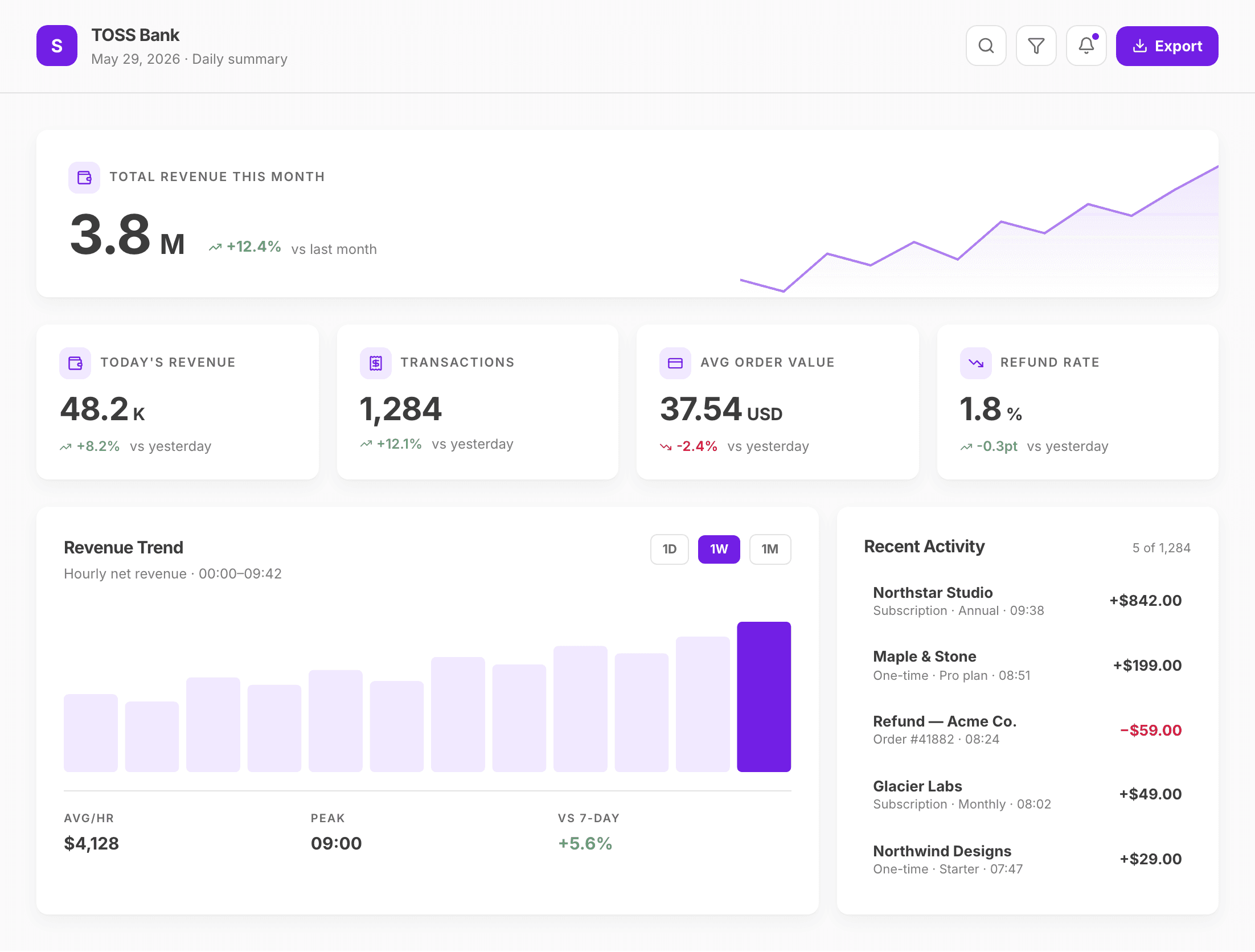
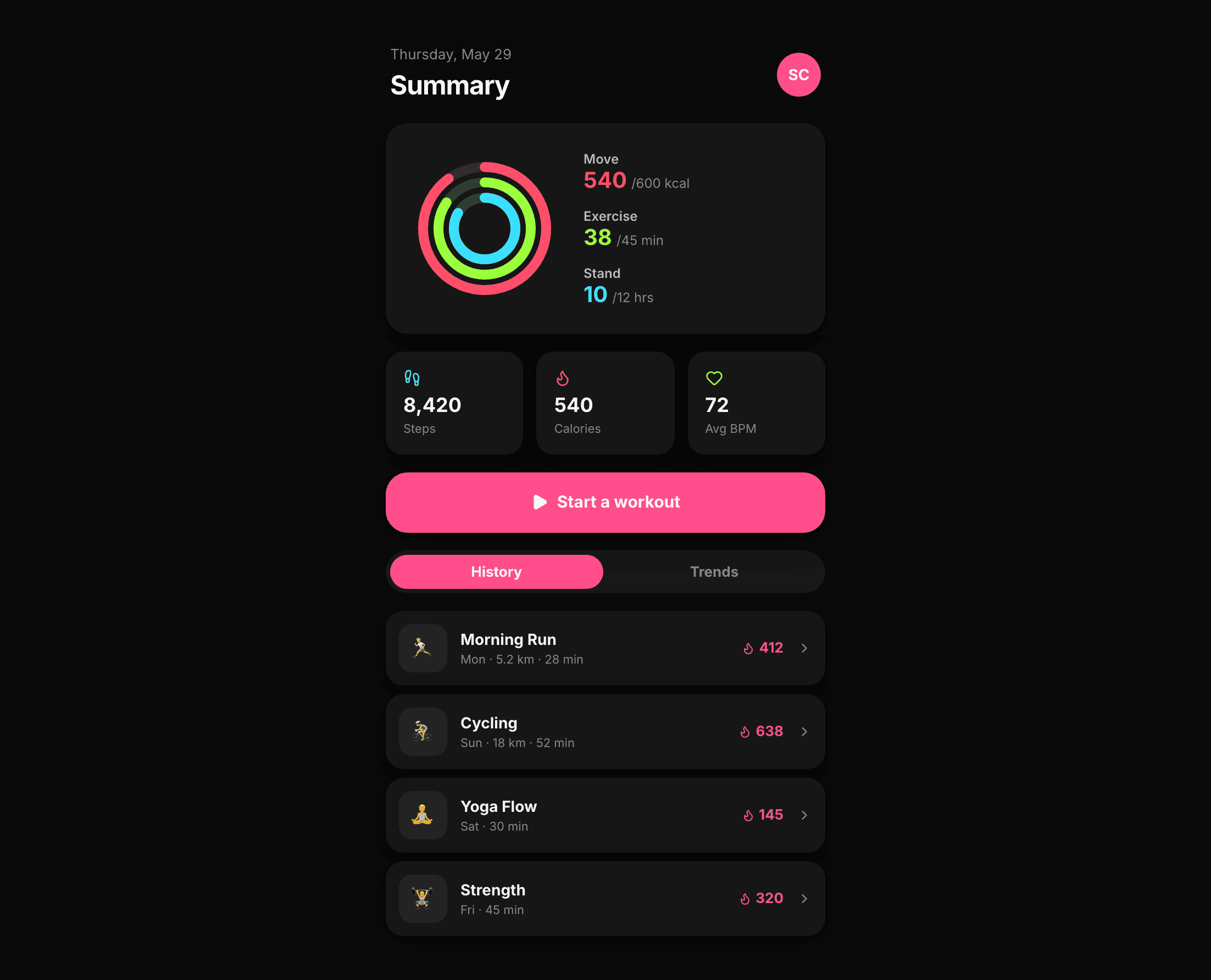
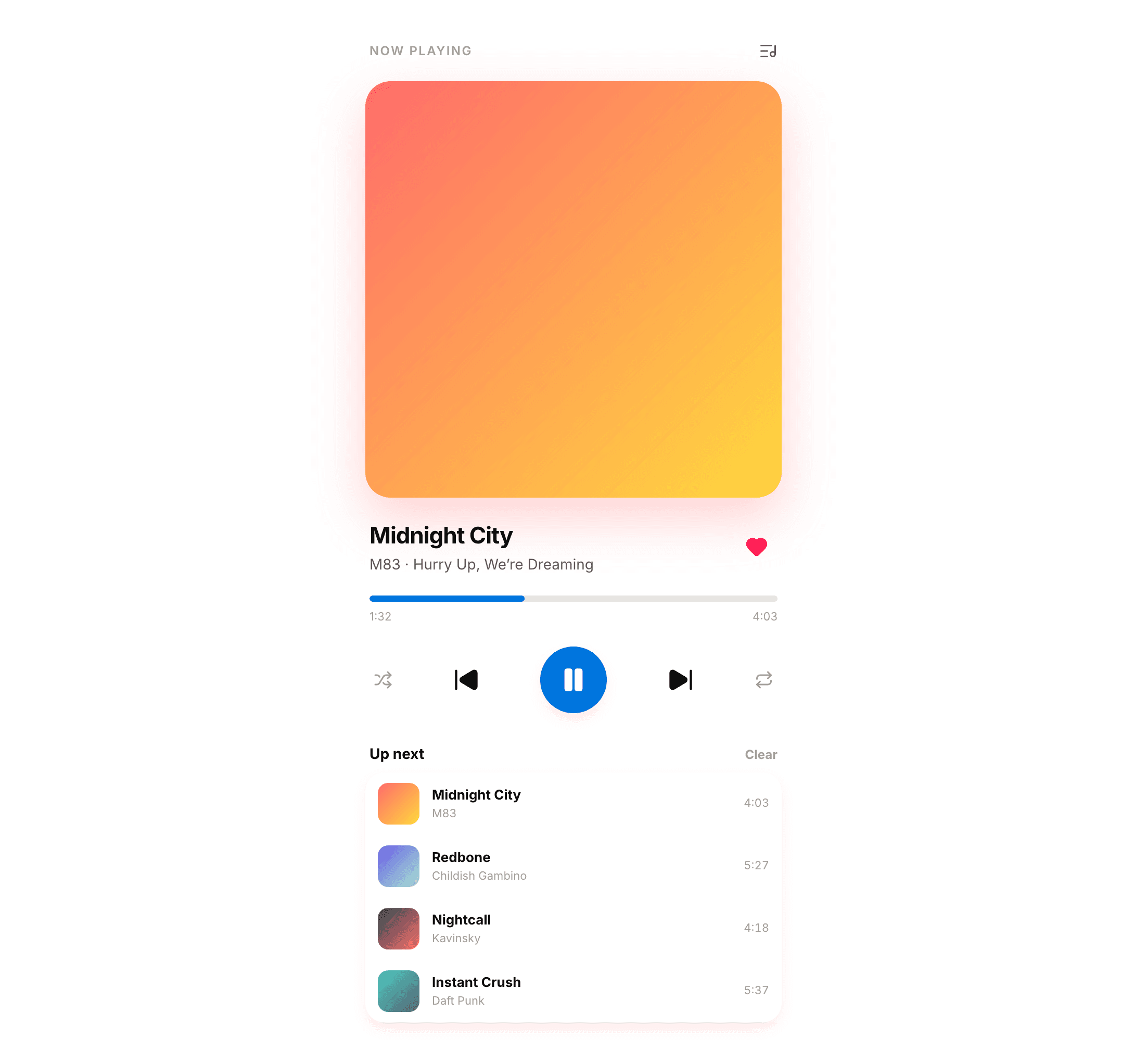
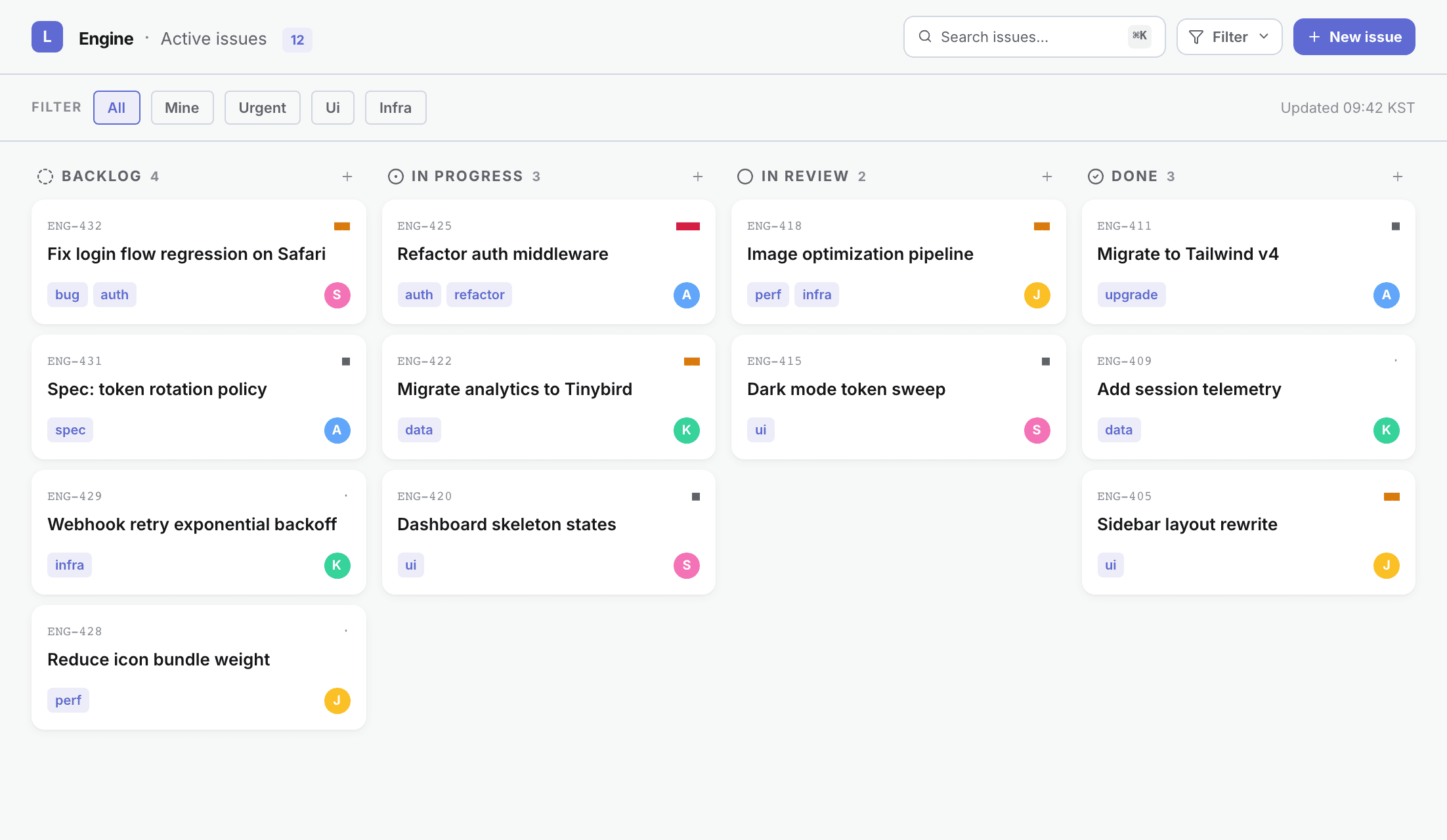
Not static templates — each one is the engine’s output, re-skinning across 7 brand DNAs and 5 motion seeds live in the browser. Copy the source, rules and all.
Skins are inspired-by token sets — brand-flavored color/radius/shadow/motion values, not recreations of those companies’ design languages. Restructuring the actual design is the presets’ job (/styleseed restyle).
5 named seeds (each with five spreadable recipes) plus a library of 20+ scroll-stopping keyword moves — tilt-3d, magnetic, glow-pulse. Try them live below, or browse the full gallery.
StyleSeed 5.0 registers one skill with 22 internal workflows. Use $styleseed or /styleseed instead of individual ss-* commands. Existing installs get revision checks and a backup-first consolidation path. This release also includes scoped spacing controls, computed-layout checks, executed functional outcomes, and reviewed legacy migration. No new benchmark or expert-level quality claim is made. Optional learning and MCP remain outside the core.
Run in your project’s terminal. Copies the StyleSeed skill into this project; skips the selection menus.
Another agent or install options?
For Cursor or another agent, run npx skills add bitjaru/styleseed. Choose your agent, Project, then Copy. Codex is already included under Universal. Use this interactive command to review each installer choice.
Only use one? Codex setup · Claude Code setup. If skills do not appear after installation, start a fresh agent session.